- 0
- 456 words
Aging is a natural part of life, but modern technology is changing how we approach skincare, wellness, and healthy aging.
In 2026, innovative healthcare and beauty devices are making professional-inspired treatments more accessible at home. From LED light therapy to smart skin analysis, these technologies aim to help people maintain healthier-looking skin and manage visible signs of aging.
Here are five popular anti-aging devices worth exploring.
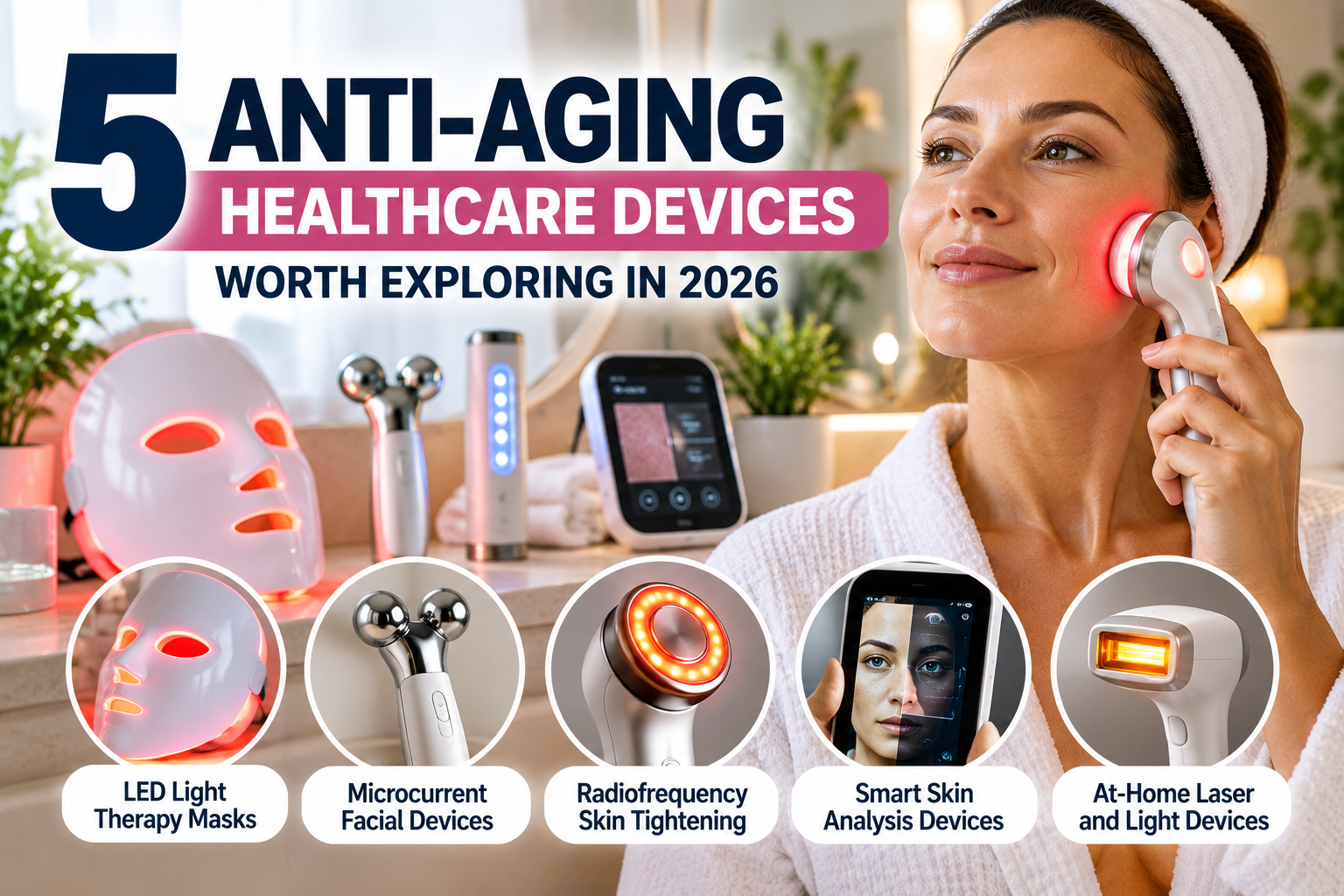
1. LED Red Light Therapy Masks
LED light therapy masks have become popular in the beauty technology industry.
These devices use specific wavelengths of red and near-infrared light to target the skin. Some studies suggest that consistent treatment may modestly improve fine lines, skin texture, and overall appearance.
Potential Benefits:
- May improve the appearance of fine lines.
- Supports a more even-looking complexion.
- Non-invasive and generally painless.
Tip: Choose a device with appropriate safety testing and follow its recommended treatment schedule.
2. Microcurrent Facial Devices
Microcurrent devices deliver low-level electrical currents to facial tissues.
Often marketed as a non-invasive alternative to facial lifting treatments, these gadgets aim to temporarily improve facial appearance.
Some users report firmer-looking skin after treatment, although strong evidence of lasting anti-aging benefits remains limited.
Potential Benefits:
- May temporarily improve facial appearance.
- Convenient for home use.
- Requires minimal recovery time.
3. Radiofrequency Skin Tightening Devices
Radiofrequency (RF) devices use controlled energy to heat targeted skin tissues.
Professional RF treatments may stimulate collagen remodeling, potentially improving skin firmness and reducing the appearance of wrinkles.
Home devices generally operate at lower power levels, and results can vary significantly.
Potential Benefits:
- May improve skin firmness.
- Can help reduce visible wrinkles.
- Offers a non-surgical treatment option.
Tip: Avoid excessive use, as improper application may cause burns or other skin injuries.
4. Smart Skin Analysis Devices
Artificial intelligence is bringing personalized insights into everyday skincare.
Smart skin analysis devices use cameras, sensors, and software to evaluate visible skin characteristics such as texture, pigmentation, and moisture-related indicators.
They can help users monitor changes and develop more consistent skincare routines.
However, consumer devices cannot reliably diagnose medical skin conditions.
5. At-Home Laser and Light-Based Devices
Certain home-use light and laser devices are designed to address specific cosmetic concerns, including uneven skin tone and visible signs of aging.
Their effectiveness depends on the technology, treatment area, and individual skin characteristics.
Not every device is suitable for every skin tone or condition, making professional guidance important.
Final Thoughts
Anti-aging technology continues to offer new possibilities for people interested in skincare and healthy aging.
While these devices may improve certain cosmetic concerns, none can stop or reverse biological aging.
For long-term skin health, daily sunscreen, adequate sleep, balanced nutrition, and appropriate skincare remain essential.
Interested in trying anti-aging technology in 2026? Choose evidence-based products, follow safety instructions, and consult a dermatologist before beginning unfamiliar treatments.
Author

realapid@gmail.com
Related Posts
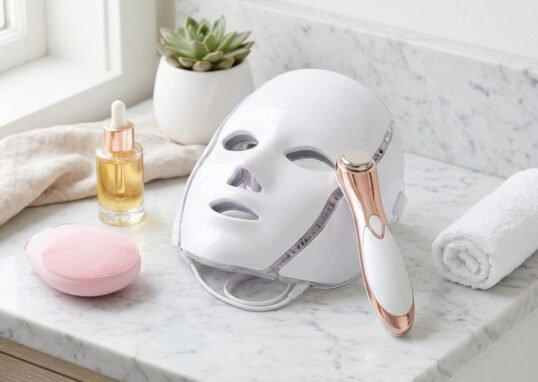
High-Tech Glow: The Best At-Home Skin Care Devices Worth the Hype
- 0
- 367 words
At-home skincare technology has transformed daily beauty routines, bringing clinical-grade treatments straight to your bathroom counter. From smoothing fine lines to clearing...
Read out allHow to Track Your Health Vital Signs: A Modern At-Home Guide
- 0
- 393 words
Monitoring your vital signs at home gives you a clear window into your baseline health, helping you detect subtle changes early and...
Read out all
5 Healthcare Devices for Stress Relief You Should Know About in 2026
- 0
- 490 words
Stress has become a common part of modern life. Between work, family responsibilities, and everyday challenges, finding time to relax can sometimes...
Read out all
What Are Pain Management Devices? A Guide to Pain Relief Technology in 2026
- 0
- 473 words
Living with pain can affect your daily activities, sleep quality, and overall well-being. Fortunately, advances in healthcare technology have introduced innovative devices...
Read out all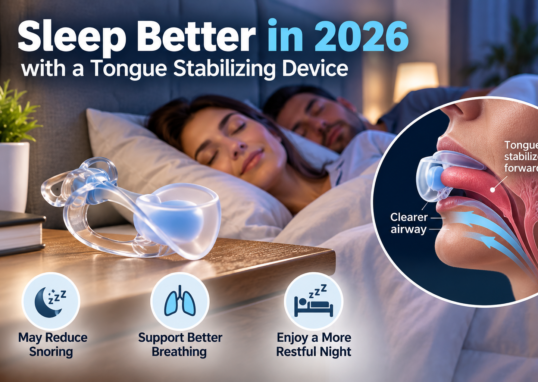
Sleep Better in 2026 with a Tongue Stabilizing Device
- 0
- 439 words
Getting a good night’s sleep is essential for your health, energy, and overall well-being. However, snoring can make peaceful nights difficult for...
Read out all