- 0
- 490 words
Stress has become a common part of modern life. Between work, family responsibilities, and everyday challenges, finding time to relax can sometimes feel impossible.
Fortunately, healthcare technology is introducing innovative devices designed to help people manage stress, improve relaxation, and develop healthier daily habits.
From smart wearables to breathing assistance gadgets, here are five stress management devices worth exploring in 2026.
1. Smart Stress Monitoring Wearables
Smartwatches and fitness trackers are becoming increasingly sophisticated at monitoring physical signs associated with stress.
Devices such as advanced smartwatches and smart rings can track heart rate, heart rate variability (HRV), and sleep patterns.
Some provide personalized insights and suggest relaxation exercises when your body’s measurements indicate possible stress.
Potential Benefits:
- Monitor physiological stress indicators.
- Identify patterns affecting your well-being.
- Track sleep and recovery.
- Encourage healthier daily habits.
These measurements provide estimates rather than medical diagnoses.
2. Guided Breathing Devices
Controlled breathing is one of the simplest techniques for managing everyday stress.
Guided breathing devices use visual lights, vibrations, or gentle physical movements to help users maintain a slower, more consistent breathing rhythm.
Some compact gadgets can be carried anywhere, making them convenient during stressful moments.
Potential Benefits:
- Encourage mindful breathing.
- Support relaxation routines.
- Improve awareness of breathing patterns.
- Easy to incorporate into daily life.
3. Wearable Vibration Relaxation Devices
Wearable relaxation gadgets use gentle vibrations to encourage calming routines.
These devices are commonly worn on the wrist or attached to clothing and offer different vibration patterns.
Manufacturers often promote them as convenient tools for managing everyday tension.
Potential Benefits:
- Portable and discreet.
- Simple controls and adjustable settings.
- Can complement breathing and mindfulness exercises.
However, scientific evidence supporting device-specific stress reduction claims remains limited.
4. EEG Meditation Headbands
Electroencephalography (EEG) meditation headbands use sensors to measure electrical activity at the scalp.
Some devices translate these signals into audio feedback intended to support meditation and concentration.
They can provide an interactive experience for people interested in developing a regular mindfulness practice.
Potential Benefits:
- Interactive meditation feedback.
- Support for structured relaxation sessions.
- Progress tracking through companion applications.
These devices cannot directly measure every aspect of stress or guarantee relaxation.
5. Smart Sleep and Relaxation Devices
Poor sleep and stress often influence each other.
Smart sleep gadgets, including sound machines, sleep-tracking wearables, and temperature-adjusting bedding, aim to create more comfortable sleeping environments.
Some devices also offer guided meditation or soothing sound programs.
Potential Benefits:
- Support consistent bedtime routines.
- Create a more relaxing sleep environment.
- Help monitor sleeping habits.
Final Thoughts
Healthcare technology offers interesting tools for people looking to manage everyday stress.
Whether you prefer a smart wearable, guided breathing gadget, or meditation headband, the best choice depends on your personal needs and lifestyle.
Remember: Stress relief devices are supportive wellness tools, not replacements for professional mental healthcare.
Regular exercise, quality sleep, social connection, and proven relaxation techniques remain essential parts of managing stress.
Ready to explore stress relief technology in 2026? Start with a device that fits naturally into your daily routine.
Author

realapid@gmail.com
Related Posts
High-Tech Glow: The Best At-Home Skin Care Devices Worth the Hype
- 0
- 367 words
At-home skincare technology has transformed daily beauty routines, bringing clinical-grade treatments straight to your bathroom counter. From smoothing fine lines to clearing...
Read out allHow to Track Your Health Vital Signs: A Modern At-Home Guide
- 0
- 393 words
Monitoring your vital signs at home gives you a clear window into your baseline health, helping you detect subtle changes early and...
Read out all
5 Anti-Aging Healthcare Devices Worth Exploring in 2026
- 0
- 456 words
Aging is a natural part of life, but modern technology is changing how we approach skincare, wellness, and healthy aging. In 2026,...
Read out all
What Are Pain Management Devices? A Guide to Pain Relief Technology in 2026
- 0
- 473 words
Living with pain can affect your daily activities, sleep quality, and overall well-being. Fortunately, advances in healthcare technology have introduced innovative devices...
Read out all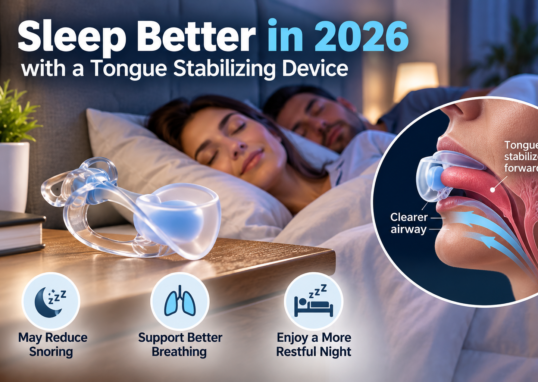
Sleep Better in 2026 with a Tongue Stabilizing Device
- 0
- 439 words
Getting a good night’s sleep is essential for your health, energy, and overall well-being. However, snoring can make peaceful nights difficult for...
Read out all