- 0
- 439 words
Getting a good night’s sleep is essential for your health, energy, and overall well-being. However, snoring can make peaceful nights difficult for both you and your partner.
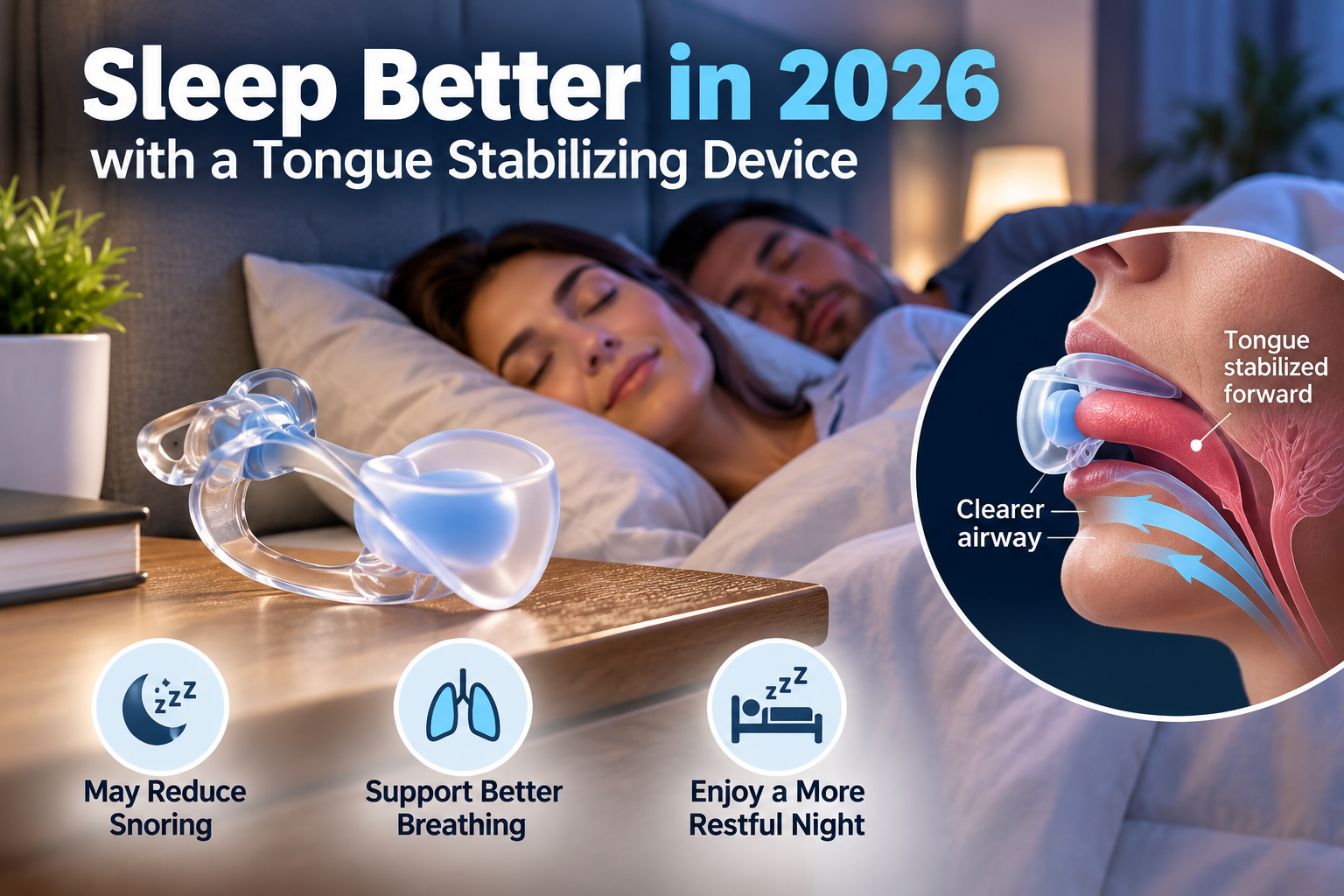
In 2026, one simple sleep-related device is attracting attention: the Tongue Stabilizing Device (TSD). This small oral appliance offers a non-invasive approach that may help reduce snoring and improve nighttime breathing for some people.
But how does it work, and is it worth trying?
What Is a Tongue Stabilizing Device?
A Tongue Stabilizing Device, also called a tongue-retaining device, is a soft oral appliance designed to gently hold your tongue in a forward position while you sleep.
When we fall asleep, the muscles in our throat and tongue relax. In some people, the tongue moves backward, narrowing the airway and contributing to snoring.
A tongue stabilizing device helps keep the tongue forward, potentially reducing airway obstruction and snoring.
Unlike many traditional mouthguards, these devices typically work without repositioning the lower jaw.
3 Potential Benefits of a Tongue Stabilizing Device
1. May Reduce Snoring
The primary advantage is its potential to reduce snoring caused by airway narrowing.
By keeping the tongue forward, the device may improve airflow and decrease the vibrations responsible for snoring.
Results vary depending on the individual and the underlying cause of snoring.
2. A Compact, Non-Electronic Solution
Unlike CPAP machines, tongue stabilizing devices don’t require electricity, batteries, or complicated equipment.
Their compact design makes them convenient for traveling and overnight stays.
For people seeking a portable snoring solution, this simplicity can be appealing.
3. An Alternative Worth Discussing
Some individuals find tongue-retaining devices easier to consider than larger sleep equipment.
They may be useful for selected people who cannot tolerate other oral appliances, although comfort and effectiveness vary.
Possible side effects include tongue soreness, excess saliva, dry mouth, and discomfort during the adjustment period.
Is a Tongue Stabilizing Device Right for You?
Not everyone experiences snoring for the same reason.
If you snore loudly, wake up gasping, experience breathing pauses, or feel unusually tired during the day, consult a healthcare professional about possible obstructive sleep apnea.
A tongue stabilizing device should not replace prescribed sleep apnea treatment without medical guidance.
Evidence supporting these devices is also more limited than evidence for custom mandibular advancement appliances.
Final Thoughts
Better sleep can make a meaningful difference in your daily life.
A tongue stabilizing device offers a small, portable approach that may help some people manage snoring without complicated technology.
Thinking about trying one in 2026? Speak with a qualified sleep specialist or dentist to determine whether it’s suitable for your needs.
A more restful night might start with finding the right solution for you.
Author

realapid@gmail.com
Related Posts
High-Tech Glow: The Best At-Home Skin Care Devices Worth the Hype
- 0
- 367 words
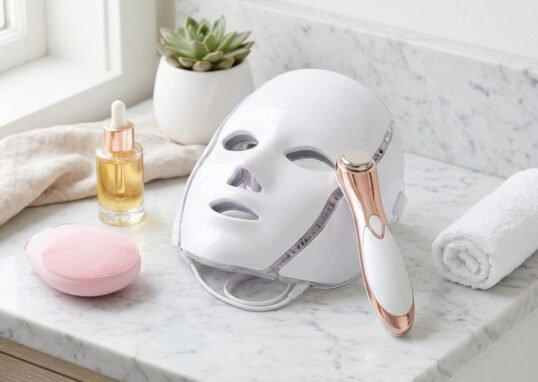
At-home skincare technology has transformed daily beauty routines, bringing clinical-grade treatments straight to your bathroom counter. From smoothing fine lines to clearing...
Read out allHow to Track Your Health Vital Signs: A Modern At-Home Guide
- 0
- 393 words
Monitoring your vital signs at home gives you a clear window into your baseline health, helping you detect subtle changes early and...
Read out all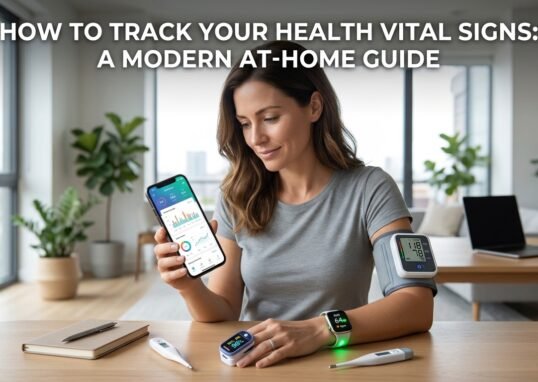
5 Healthcare Devices for Stress Relief You Should Know About in 2026
- 0
- 490 words
Stress has become a common part of modern life. Between work, family responsibilities, and everyday challenges, finding time to relax can sometimes...
Read out all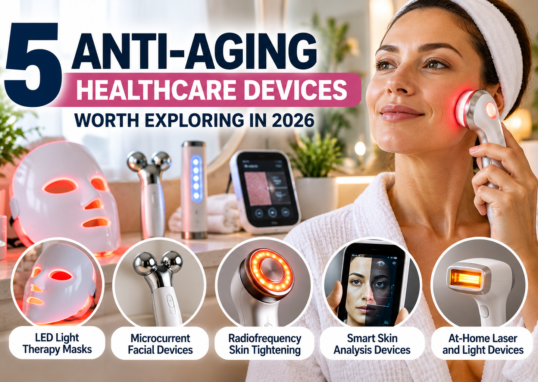
5 Anti-Aging Healthcare Devices Worth Exploring in 2026
- 0
- 456 words
Aging is a natural part of life, but modern technology is changing how we approach skincare, wellness, and healthy aging. In 2026,...
Read out all
What Are Pain Management Devices? A Guide to Pain Relief Technology in 2026
- 0
- 473 words
Living with pain can affect your daily activities, sleep quality, and overall well-being. Fortunately, advances in healthcare technology have introduced innovative devices...
Read out all