- 0
- 393 words
Monitoring your vital signs at home gives you a clear window into your baseline health, helping you detect subtle changes early and optimize daily wellness. With affordable digital tools now widely available, tracking core health metrics no longer requires constant clinic visits. Here is how to measure and track your essential vitals accurately.
1. Heart Rate & Heart Rate Variability (HRV)
Your resting heart rate (RHR) indicates overall cardiovascular fitness, typically ranging between 60 and 100 beats per minute. Modern smartwatches and fitness trackers automatically track RHR throughout the day. For deeper recovery insights, monitor your Heart Rate Variability (HRV)—the millisecond variations between heartbeats. A higher HRV generally signals better physical recovery and stress resilience.
2. Blood Pressure
Blood pressure measures the force of blood pushing against artery walls. Use a validated upper-arm digital cuff, as wrist-based monitors are often less reliable. For accurate readings:
- Rest quietly for five minutes before taking a measurement.
- Sit with your back supported, feet flat on the floor, and arm supported at heart level.
- Avoid caffeine, exercise, and smoking for 30 minutes prior. Record readings twice daily—once in the morning and once in the evening—to establish your baseline.
3. Blood Oxygen Saturation ($SpO_2$)
Pulse oximeters measure the percentage of oxygen carried by your red blood cells, with normal readings typically between 95% and 100%. A fingertip pulse oximeter provides an instant reading in seconds. Many wearables also track overnight $SpO_2$, helping highlight potential sleep disruptions or breathing irregularities.
4. Body Temperature
Body temperature reflects your immune system’s status and metabolic regulation. Digital oral thermometers or non-contact infrared forehead scanners offer quick, hygienic results. Take your temperature at regular times to know your personal baseline (typically around 98.6°F / 37°C), which fluctuates slightly throughout the day.
5. Respiratory Rate
Your respiratory rate is the number of breaths taken per minute at rest (typically 12 to 20 for healthy adults). You can measure this manually by setting a timer for 60 seconds while sitting calmly and counting chest rises, or rely on smart rings and chest straps that log overnight breathing metrics.
Building Your Health Log
Single readings provide a quick snapshot, but long-term trends reveal the full picture. Log your measurements in a dedicated smartphone health app or physical journal, taking notes on factors like sleep quality, stress levels, or recent illness. Sharing these trend logs with your healthcare provider during routine visits enables far more personalized, proactive care.
Author

realapid@gmail.com
Related Posts
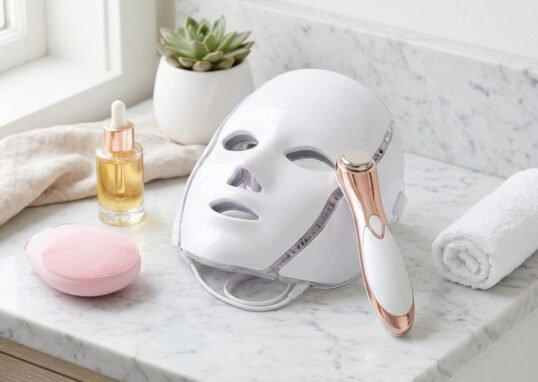
High-Tech Glow: The Best At-Home Skin Care Devices Worth the Hype
- 0
- 367 words
At-home skincare technology has transformed daily beauty routines, bringing clinical-grade treatments straight to your bathroom counter. From smoothing fine lines to clearing...
Read out all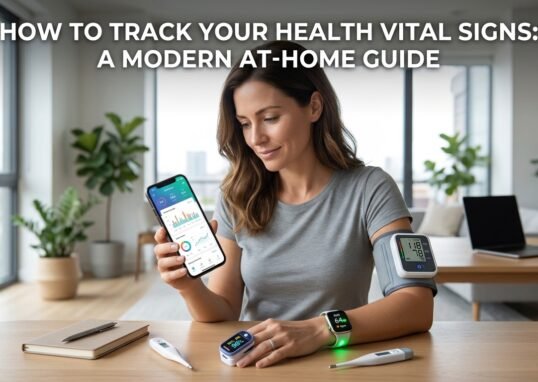
5 Healthcare Devices for Stress Relief You Should Know About in 2026
- 0
- 490 words
Stress has become a common part of modern life. Between work, family responsibilities, and everyday challenges, finding time to relax can sometimes...
Read out all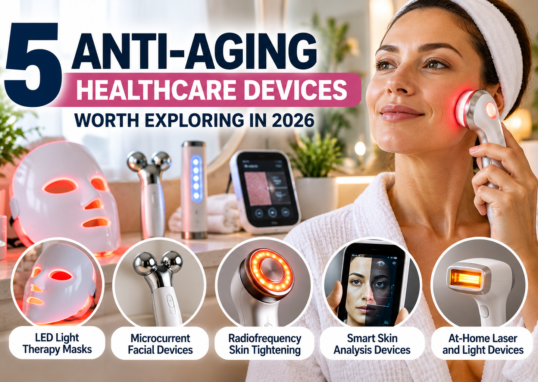
5 Anti-Aging Healthcare Devices Worth Exploring in 2026
- 0
- 456 words
Aging is a natural part of life, but modern technology is changing how we approach skincare, wellness, and healthy aging. In 2026,...
Read out all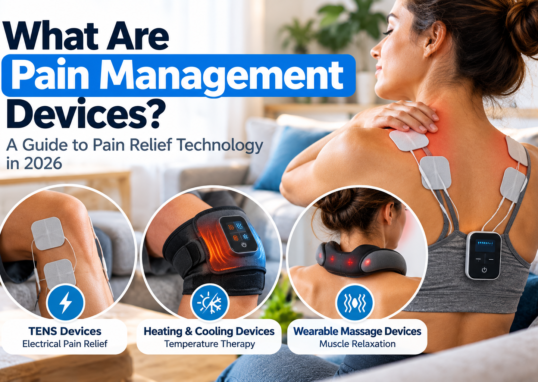
What Are Pain Management Devices? A Guide to Pain Relief Technology in 2026
- 0
- 473 words
Living with pain can affect your daily activities, sleep quality, and overall well-being. Fortunately, advances in healthcare technology have introduced innovative devices...
Read out all
Sleep Better in 2026 with a Tongue Stabilizing Device
- 0
- 439 words
Getting a good night’s sleep is essential for your health, energy, and overall well-being. However, snoring can make peaceful nights difficult for...
Read out all